 Buketov University
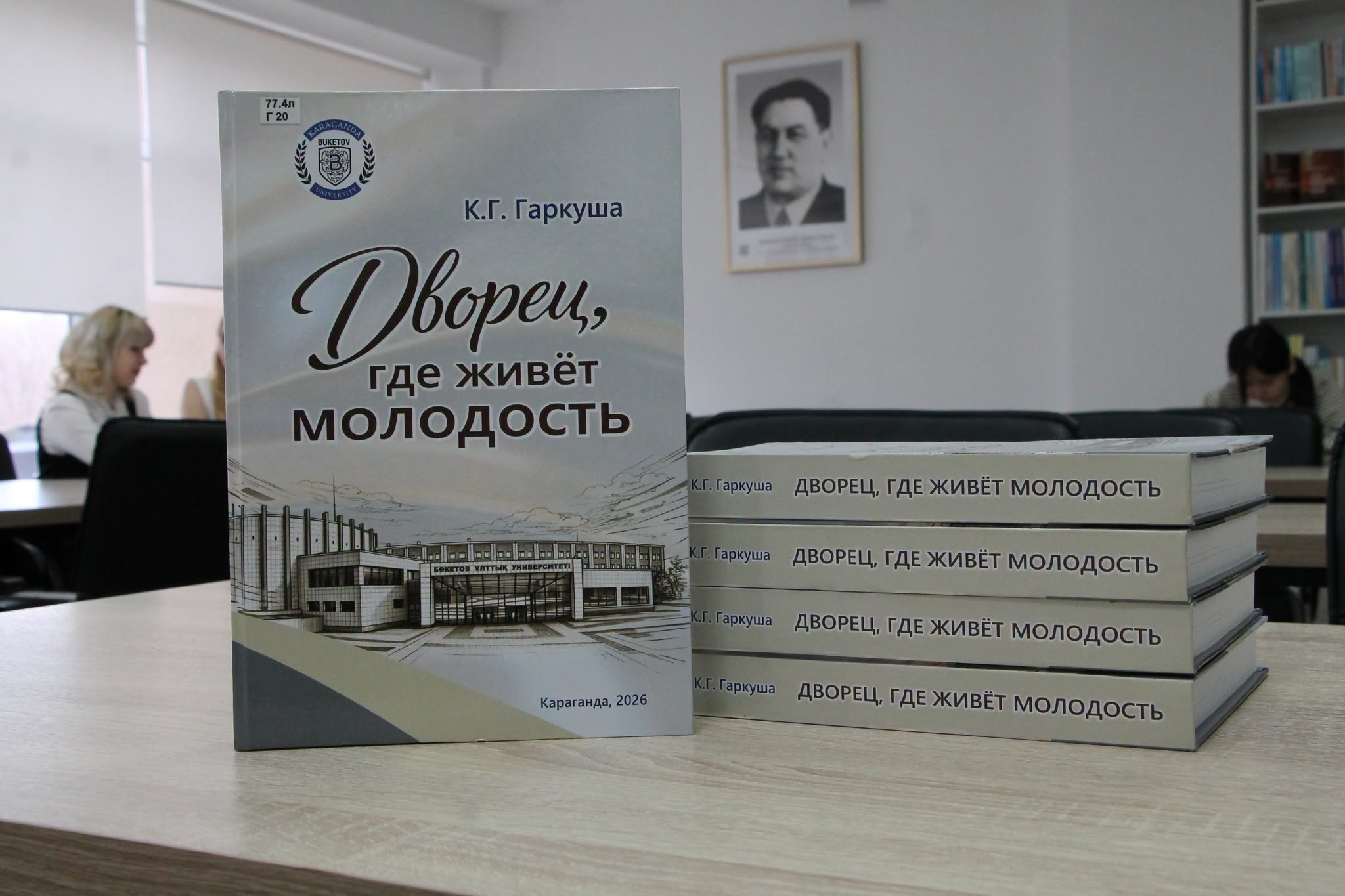
Behind every university tradition lies its own unique history. Students enrolled in the Cultural and Leisure Activities programme learned about the establishment and development of the Students’ Palace, the creative groups that became an integral part of its life, and the memorable events held on its stage during a meeting with Kira Georgievna Garkusha, Associate Professor, Candidate of Pedagogical Sciences, and author of the historical documentary essay “The Palace Where Youth Lives.”
The author spoke about how the idea of establishing the Students’ Palace first emerged, the journey from its initial concept to its realization, and its subsequent development. Particular attention was paid to the university’s creative groups, their formation and achievements, significant events, and distinguished guests who visited the Palace over the years.
The creative life of E.A. Buketov Karaganda National Research University encompasses a wide range of artistic disciplines, including vocal performance, folk and contemporary dance, traditional folk art, theatre, and comedy performances.
“Throughout the history of our university, there have been many different creative groups, and the student choir once held a special place among them. It brought together talented students who enjoyed singing and performing on stage. Unfortunately, this tradition gradually came to an end. However, this year, a decision was made to revive the student choir. This is not simply about establishing a new creative group; it is an opportunity to restore one of the university’s traditions, pass it on to future generations of students, and once again make choral singing an integral part of our creative life,” Kira Georgievna noted.
The meeting provided an opportunity not only to explore the history of one of the university’s important cultural spaces but also to learn about the people who helped shape its traditions. For future cultural and leisure activity organizers, gaining insight into this experience is particularly valuable, as the history of the Students’ Palace clearly demonstrates how a cultural environment is created and developed, and highlights the importance of initiative, creativity, continuity between generations, and effective event management.