 Buketov University
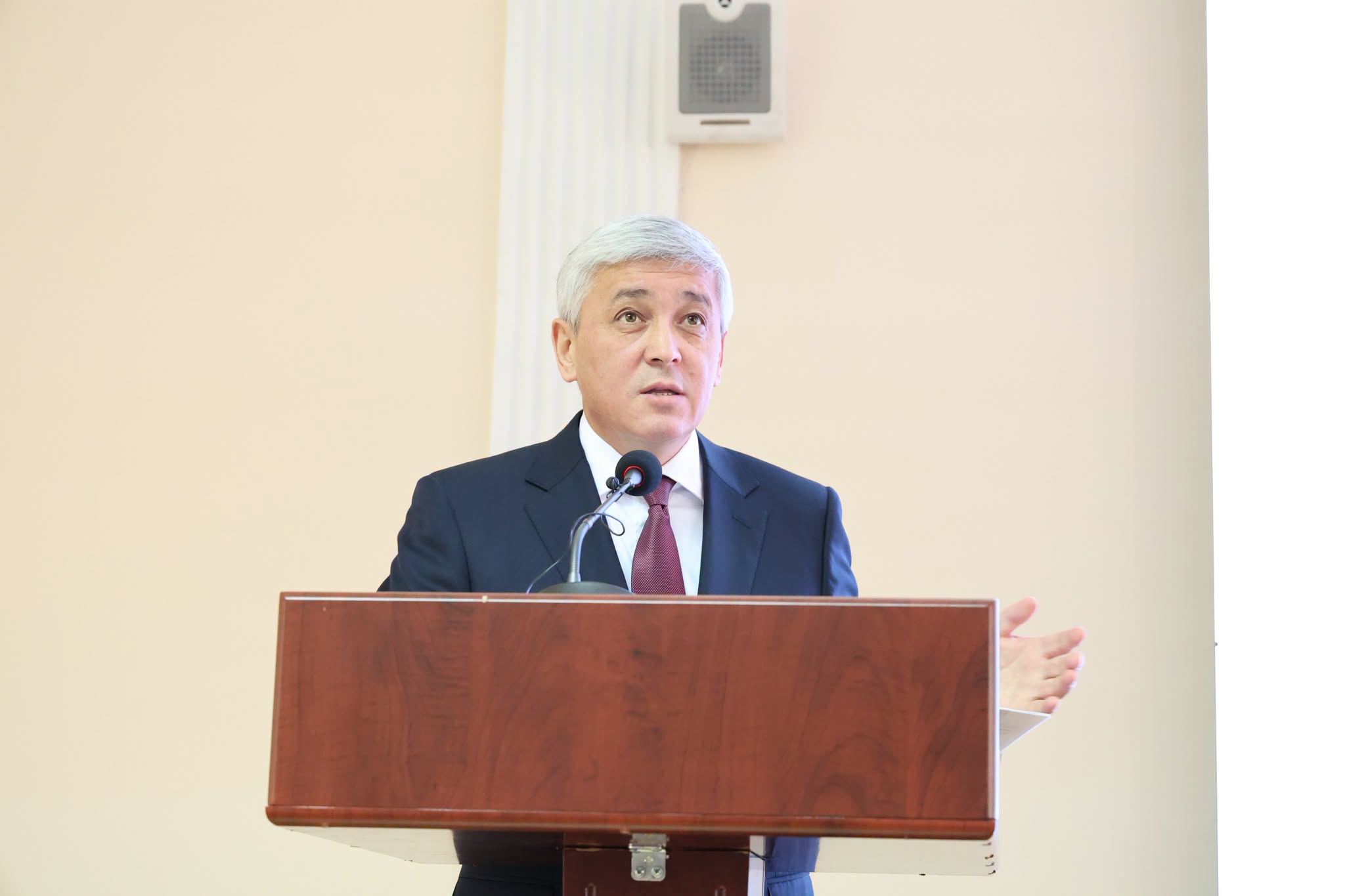
Today, at Academician E.A. Buketov Karaganda National Research University, Akim of the Karaganda Region Yermaganbet Kabdulovich Bulekpayev met with students of the Faculty of Economics and delivered a lecture on the socio-economic development of the region.
The main topics of the lecture included the industrial strength of the Karaganda Region, its investment attractiveness, production capacity, and key priorities for economic diversification.
The regional Akim highlighted key indicators that determine the region's position in the national economy. At the end of 2025, industrial output reached 5.2 trillion tenge, placing the Karaganda Region second nationwide. Meanwhile, manufacturing output amounted to 3.7 trillion tenge, securing the region's first place in Kazakhstan. Industry accounts for 47.4% of the region's gross regional product.
During the meeting, five key areas of the regional economy were discussed in detail: mining, ferrous and non-ferrous metallurgy, manufacturing, construction and infrastructure, as well as trade, transport, and services.
Particular attention was paid to expanding mechanical engineering, developing the pharmaceutical and food industries, and strengthening production links within the metallurgical sector. Specific examples illustrated the production capabilities of major regional enterprises and the economic efficiency of new projects.
Yermaganbet Kabdulovich also spoke about the impact of infrastructure projects on the region's economy. The development of industrial construction, road and engineering infrastructure, energy facilities, and social infrastructure creates favorable conditions for launching new industries, creating jobs, and enhancing the region's investment appeal.
At the end of the lecture, students had the opportunity to ask the regional Akim questions. During the open dialogue, young people showed particular interest in the region's economic prospects, investment projects, the demand for qualified professionals in the industrial sector, and employment opportunities for young specialists.
The meeting provided students with a deeper understanding of the economic structure of the Karaganda Region, valuable practical insights, and a broader perspective on future career opportunities across various sectors of the regional economy.