 Buketov University
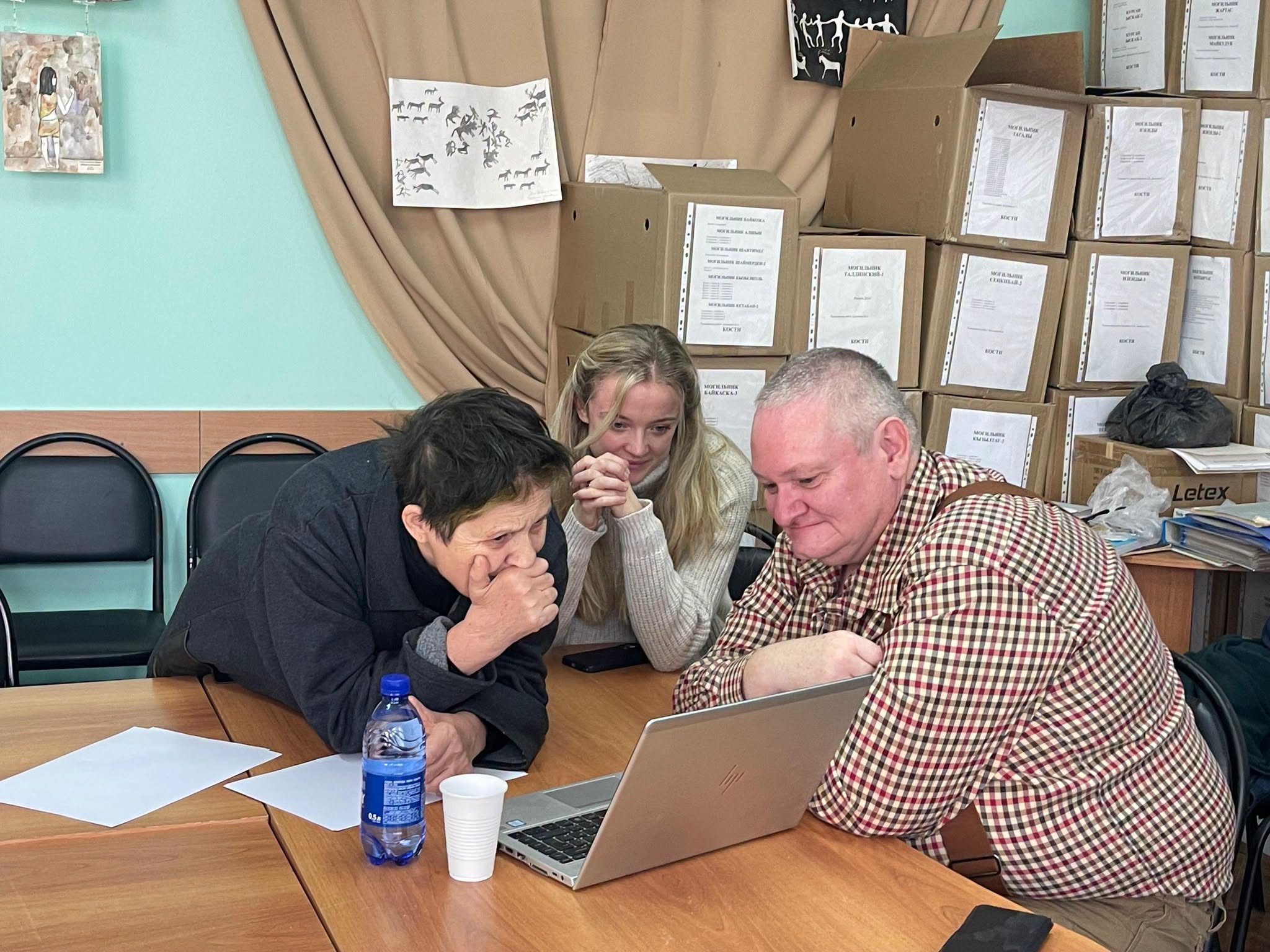
Buketov Karaganda National Research University continues its international scientific research in collaboration with the University of Exeter (United Kingdom). The researchers focus on early horse herding and human mobility across the steppes of Kazakhstan.
On September 23–24, Professor Alan Outram, an archaeozoologist whose research focuses on the domestication of horses in Central Asia and the development of pastoral societies in the steppe region, visited the Saryarka Archaeological Institute.
During the meeting, the parties discussed prospects for further cooperation and joint research on archaeozoological materials. The researchers also selected animal bone and tooth samples from Bronze Age archaeological sites, including the Kent settlement and the Novoilinovsky-2 necropolis.
The research is being conducted as part of the international Pastoralists Lost project, which aims to investigate the origins of animal husbandry, human–horse interactions, and changes in the economic life of ancient steppe societies. The study employs modern analytical techniques, including isotopic, genomic, and proteomic analyses.
The findings will help researchers better understand how horses and cattle moved, were kept, and were used by the inhabitants of Central Kazakhstan during the Late Bronze Age. The results will provide deeper insights into the economic practices and cultural transformations of ancient Eurasian populations.
This international scientific partnership opens up new opportunities for exploring Kazakhstan’s archaeological heritage by combining unique national collections with advanced research methods used in global science.